Showing posts with label dostoevsky. Show all posts

Sunday, July 14, 2013

5 Books to be Caught Dead With

Morning routine: Turn off radio alarm; blink away visions of whatever NPR coverage seeped into that last dream; make the bed; shower; Cheez-its for breakfast; use phone to catch up on latest kitten GIFS while getting dressed with other hand; check GPS app to see if I'll catch the next bus (nope) or the one after (maybe); take vitamins; scrutinize the contents of my bag to gauge whether its contents reflect the idealized self-image I'd like to project in the not-so-unlikely-event that I die in my dash across the Huntington/S. Huntington intersection trying to catch the last bus that could possibly get me to work on time.

You see folks, all that I do, I do for the stricken onlookers at the scene of my untimely death. And all that I ask is that they be seized with enough morbid fascination to appreciate the tableau of my belongings strewn across the pavement. See those ticket stubs for "La Jetée" drifting in the mid-morning breeze? Notice how I didn't keep the ones for "Transformers 3" to pollute your rosy vision of my late self? And check out my splayed wallet; I hid the old Wal-Mart gift cards in back under my organ donor ID and the punch card for the local vegan sandwich shop. I'm not vegan but I'd like you to think I was. Please tell everyone you know about this unknown dead girl who so generously left the world her pristine vegan kidneys. Mourn her not because she was young but because her blood-spattered bookmark was less than a chapter from the end of Jeanette Winterson's Why Be Happy When You Could Be Normal?

Some tips for making a good last impression:

1. Plausibility - Tempted to keep a copy of War & Peace on hand in case you bite the big one? Rookie mistake. Same goes for Moby Dick, Infinite Jest and In Search of Lost Time. If your book outweighs most newborns, no one's going to believe you haul it around just in case you get stuck in line at Starbucks. Consider instead this striking yet lightweight edition of Marcel Proust's poetry for big name cred that won't leave the mortician sneering at your pretensions.


2. Missed endings - Anyone who knows me knows I'm never without a short story collection. For the sake of avoiding awkward conversations I usually explain this as a product of my short attention span. Between you and me though, I'm just worried about making my way through 300 pages of rising action only to die right at a cliffhanger. No sir. Might I suggest Miranda July's No One Belongs Here More Than You? The yellow cover provides a sunny contrast to any grisly death scene, plus we have it on our bargain table for $6.99.


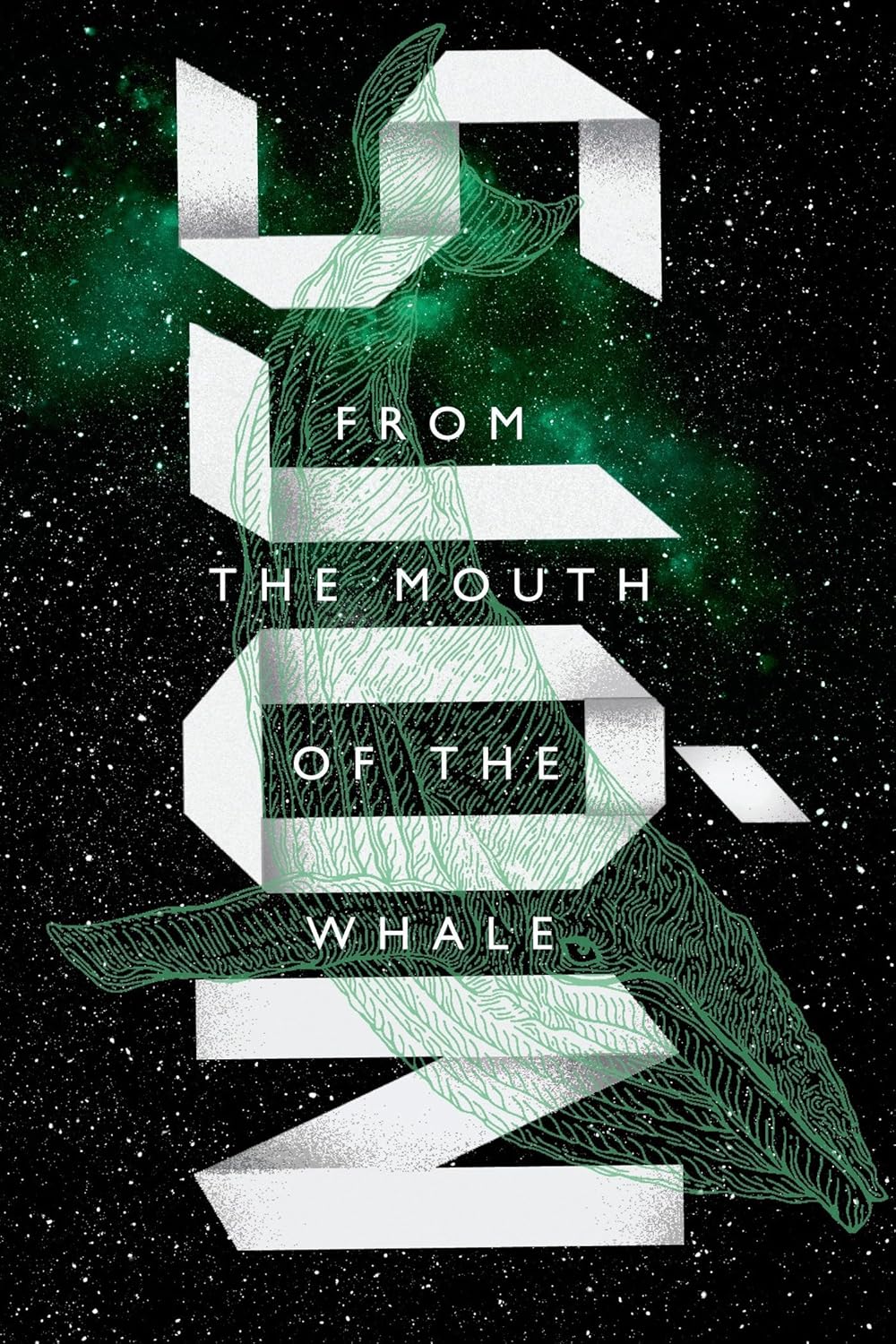
3. Traveling abroad - Keep in mind that by expiring in foreign climes you represent not just yourself but your country. Strike back at the Ugly American stereotype by tucking Sjon's From the Mouth of the Whale into your passport case. Bookseller Natasha recommends this beautifully designed Icelandic translation. Fun fact: the author is BFFL with Bjork and wrote some of her lyrics. Major street cred, no?

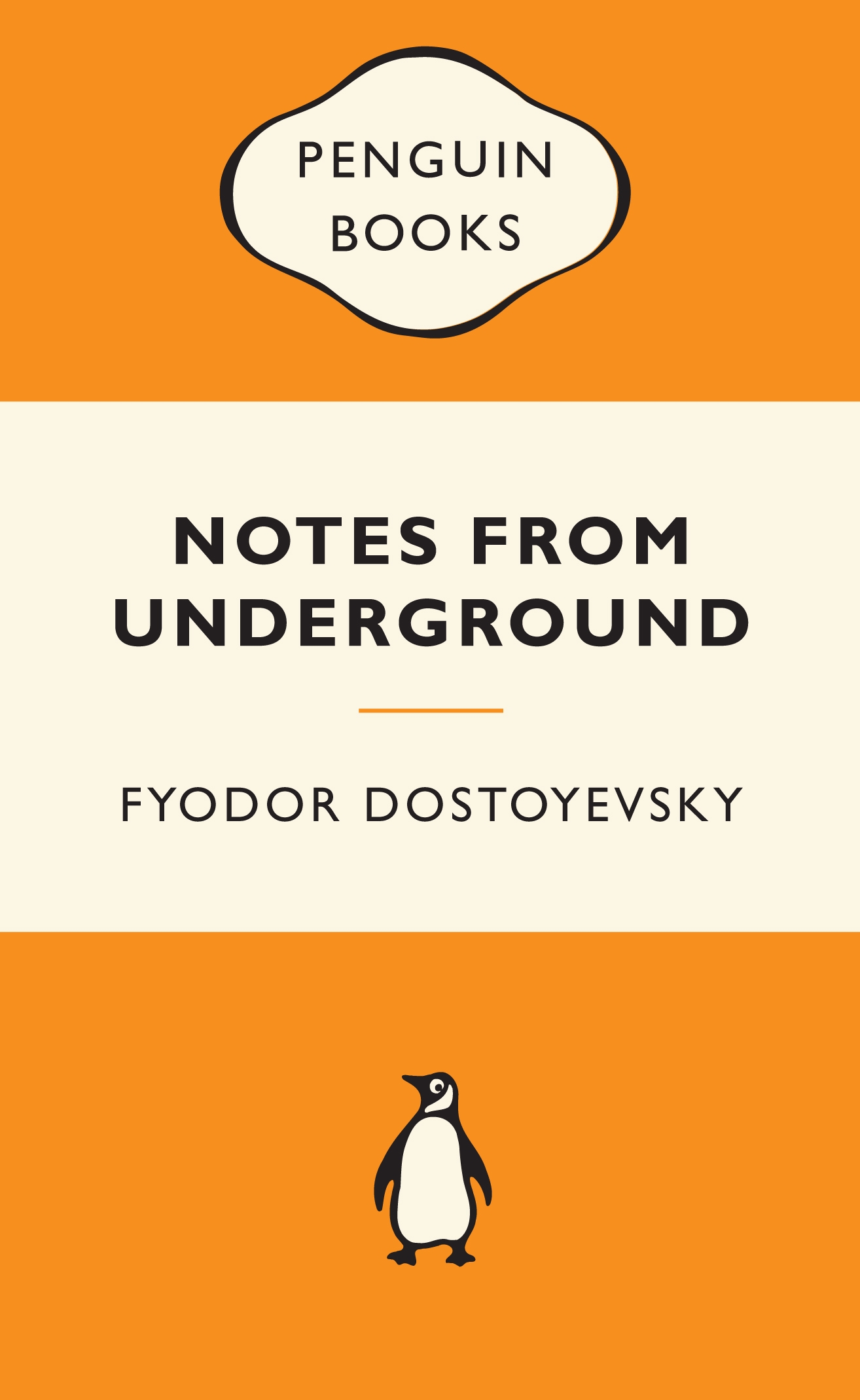
4. Not Anna Karenina - Sorry bro. Great book but too meta for this by far. Get your final dose of searing Russian pathos with a pocket-size copy of Dostoevsky's Notes from Underground instead.

5. Practicality - If, like me, you appreciate a dark yet brilliant pun and obsess over funeral arrangements to a degree society only seems to expect of weddings, youlo.gy is for you. Youlo (which I like to think is also a riff on YOLO - how great would that be?) is $50 and worth every penny. Keep a record of all your post-mortem whims and desires so that when the time inevitably comes your loved ones will know to encase you in carbonite.


Tuesday, April 30, 2013

Reading the Boston Marathon


Boston Magazine
L’esprit du lieu has always had a powerful influence over my sensibility, a fact which once made a visit to a concentration camp in Germany unbearable and which last week transformed a walk down Boylston—open for the first time since the bombings at the Boston Marathon—into a painful pilgrimage.

The memorial in Copley Square was so crowded with mourners taking in the rows of brightly colored flowers, balloons, T-shirts, candles, icons, and running shoes, that there was little room for reflection. I moved past reporters and up the street toward the place where the first bomb exploded at Marathon Sports.

A crowd was gathered outside the boarded up store front, but I could not cross the street to join them. I stood by the library until I noticed a woman directly across from me kneel and touch the pavement with her finger. I looked down and saw that a broad stripe of faded yellow stretched across the road from her to my feet, and realized that my tears fell on the finish line.

I continued up Boylston until I was across from the Starbucks that stood near where the second bomb detonated, and where, two marathons prior, my husband had been working, making the terror of that day all too easy to imagine.

Perhaps because it was so close, the story that unraveled last week in Boston engaged my imagination in a way no tragedy has before. Engaged—and exercised, because if I were to imagine the grief of the victims of that day I must also address those that inflicted their pain.

Now the story complicates. And perhaps especially for readers—that is, for those of us who, within the safe and cozy confines of a good novel have let our imaginations wander into the consciousness of another. Maybe it was a character who on the surface seemed different than us; someone who, if we had read of their actions in a headline we may have written off as simply “criminal,” but who, when rendered through a genius such as, say, Dostoevsky, became for us suddenly, strangely intelligible.

What reader of Crime and Punishment has not wondered, could my way go the way of Raskolnikov? I made that pilgrimage once—from Sennaya Ploshchad in St. Petersburg, the Haymarket of the novel, to the moneylender’s flat. Along the way I remember often finding myself behind a stooped, elderly women looking painfully vulnerable.

I am currently reading Albert Camus’ L’Etranger for the first time, and for a long time—because I am reading it in French. Perhaps having dwelt so long in the mind of a murderer, things are getting confused—or are they clarifying? Meursault has shot an Arab “à cause du soleil,” and who can understand that? And yet—as his reader, I do. Can I really admit that? Am I taking empathy too far?

This question echoed in my mind Friday as I watched the man-hunt unfold. If this were a story, mere literature, reader, where would your heart have been? When I saw the thermal images of that stranded soul—I couldn’t help it, I’m a reader, so the boat was a metaphor and this had to be a story. And those subtle movements inside the womb of the boat—what mother did not think of an ultrasound and hope for life? Unbidden, my imagination conjured up the lonely wounded hours. Was it a relief, I wondered, to be captured?

And what then of the other images, that show the same man setting a bomb by those more vulnerable than himself? Motives and wonder and empathetic imaginings—the story itself—collapses in an explosion of chaos and horror. Because I can imagine that, too—having watched both my parents finish marathons as a child, having walked Boylston countless times, and having cheered on the finishers of previous Boston Marathons. The mind reels, struggles to hold in tension these two images of one self, and, ultimately, to understand the potential of such extremes in one’s own self, and in everyone.

What is the good of literature if it does not expand our selves to such extremes? The cover image of the recent issue of Boston Magazine shows empty shoes belonging to runners of this year’s marathon gathered into the shape of a heart. The unoccupied shoes might recall other tragedies, like the piles of shoes at the Holocaust Museum, or simply help us to imagine ourselves slipping into a pair of shoes other than our own.

The experience of empathy may not lead to answers or clarity or judgment, but I am hoping that for those brave enough to read the world as a story of which we are all a part, beyond the struggle of interpretation there lies compassion, grace, and yes, Boston—strength. May the spirit of this place endure. May it extend to other selves and other places where the instability and fear we have tasted still exists.

Friday, November 16, 2012

Booksmith Crime Log

SATURDAY 13:27   Police responded to a shooting on the beach. A man of Arab descent was murdered. Suspect is in custody. Hate crime suspected.

SUNDAY 20:49   Police responded to noise complaint in an apartment complex. Upon investigating the scene, police discovered a double homicide. Items appear to be missing from the apartment as well though no sign of breaking and entering was detected. No murder weapon has been found though a suspect, a tenant of one of the victim's properties, has been called in for questioning.

MONDAY 23:10   Police responded to a stolen vehicle downtown. Two young, white gentleman were last seen near the car. The suspect is believed to be Dean Moriarty, a known car thief.

TUESDAY 23:47   A young couple called police to report an injured man in the park. The victim, a transient, claimed a gang of oddly-dressed teenagers sang at him then beat him severely. There are no suspects at this time.

WEDNESDAY 14:05   An area man called to claim that his daughter was abused by a hired handyman. The charges were later dropped.

THURSDAY 09:17   The liquor license of a hotel downtown is now suspended after an anonymous tip that the bartender served a minor. According to the report, the minor appeared to be 15 or 16 and wore a red flannel hat.

FRIDAY 19:57   Police received a complaint that a load of jeans was stolen from a dryer out of an area laundromat. According to surveillance tapes, it appears to be known thief Marla Singer. She appeared to have an accomplice.

FRIDAY 21:38   Area woman E. L. James was arrested for impersonating an author. [Ed.: ZING!]